
Congressional Briefing July 15, 2024
Click to Read the Full Congressional Briefing Transcript
Click to download media alert
Full Webinar Recording
Radioactive Contamination of US Food and Water and What Congress Can Do About It
WHAT?
Watch the Congressional Webinar Briefing Here
You’re invited to attend an online Congressional Briefing for members of Congress and their staffs on the growing problem of radioactive contamination of US food and water and what Congress can do about it. The briefing features reading researchers and advocates and is organized by the Fukushima Fallout Awareness Network and co sponsored by the NGO’s Beyond Nuclear, Citizens for Health, Ecological Options Network, Food and Water Watch, San Clemente Green, and Physicians for Social Responsibility (PSR National as well as PSR’s Greater Boston, Los Angeles, and San Francisco Bay Area Chapters)
WHO?
Distinguished experts and leaders presenting at the briefing include:
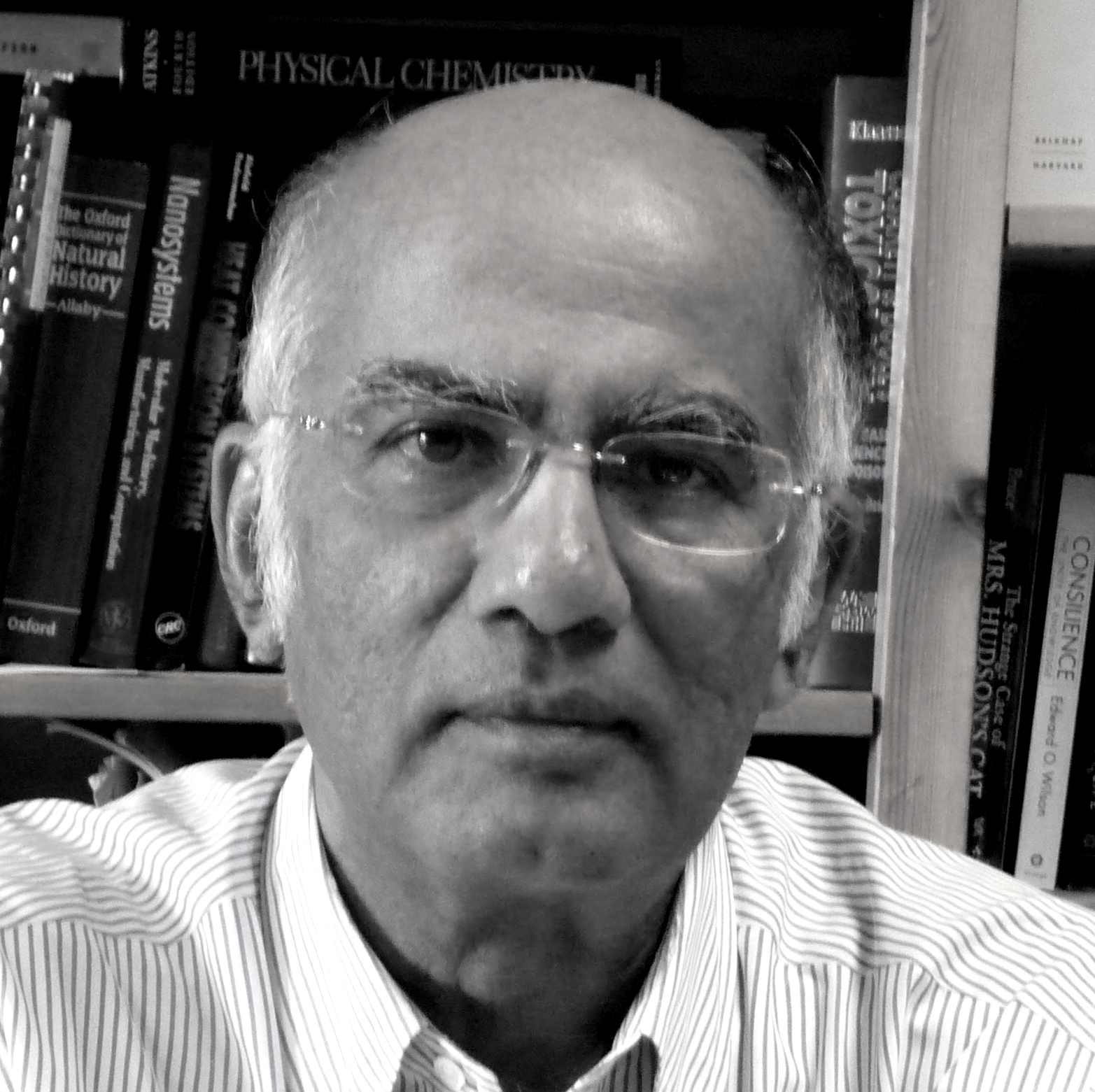
Dr. Arjun Makhijani
Nuclear engineer, President of the Institute for Energy and Environmental Research, author of Exploring Tritium's Dangers, member of an independent scientists’ panel commissioned by the Pacific Islands Forum Secretariat to review radioactive dumping from Fukushima into the Pacific

Prof. Bob Richmond
University of Hawaii Marine Biologist, expert in biological uptake of radiation in the oceans, member of the Pacific Islands Forum Secretariat panel on Fukushima.

Kimberly Roberson
Project Director, Fukushima Fallout Awareness Network (FFAN). She has served on the board of National Association of Nutrition Professionals and organized the FFAN Coalition, which petitioned FDA for better food regulations following the Fukushima disaster

James Gormley
President and Senior Policy Advisor of Citizens for Health and a leading consumer health advocate
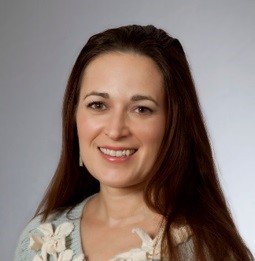
Cindy Folkers
Radiation and Health Hazard Specialist with Beyond Nuclear (moderating)
WHere & when?
The Congressional briefing was held on
July 15, 2024
WHY?
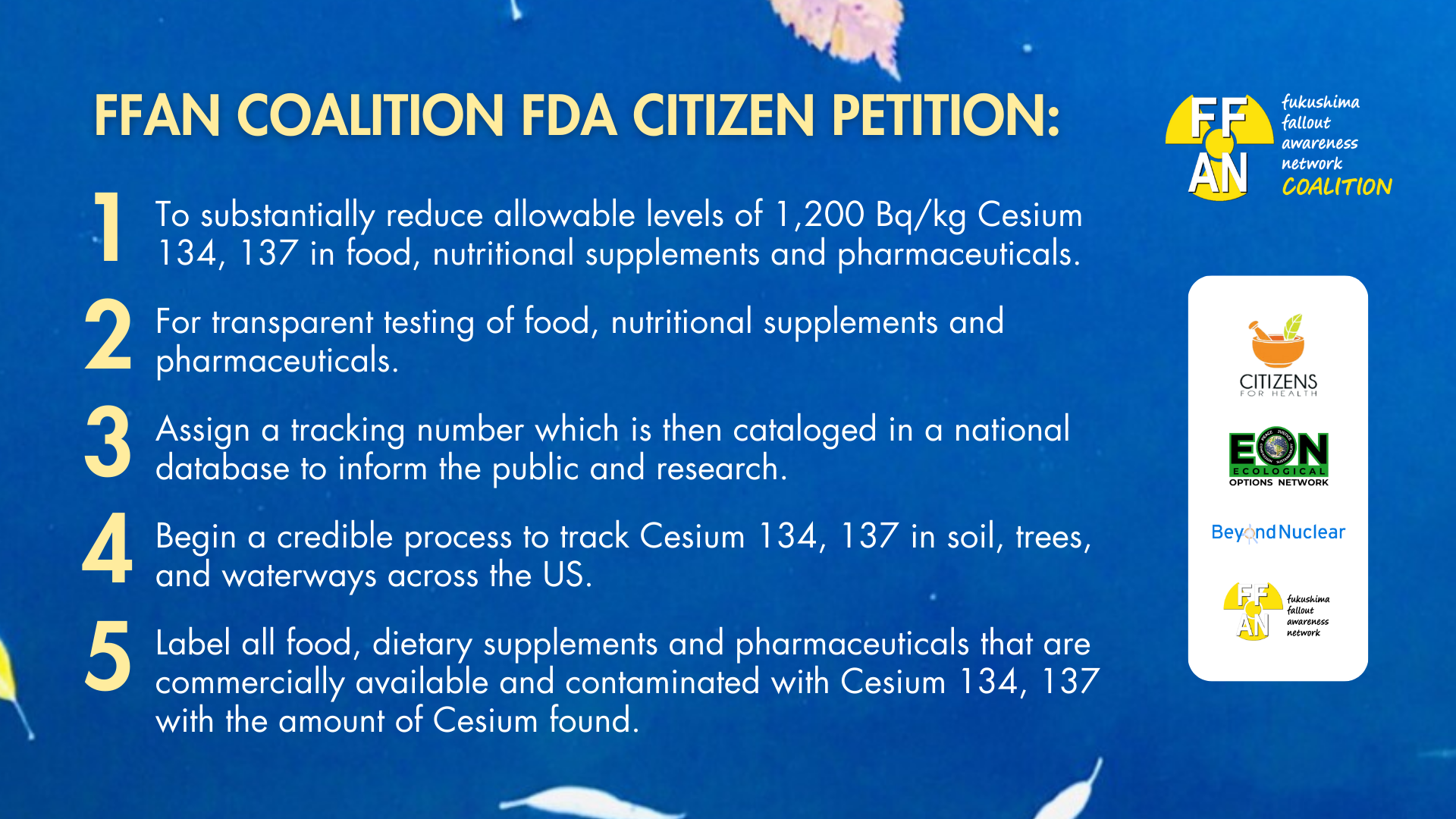
Since the FFAN Coalition filed the FDA citizen petition in 2013, worldwide radioactive contamination has continued to increase. It is imperative that Congress and the FDA recognize and respond to the urgent question of how this may be impacting American families now and in the future.
Cindy Folkers, Radiation and Health Hazard Specialist, Presents at the New York Academy of Medicine. Important information!
A Hidden Threat
Radioactive contamination stands to get worse due to planned ongoing releases of radioactive wastewater from Fukushima Daiichi into the Pacific Ocean. Despite this, there are currently no binding FDA standards, very little testing or monitoring that has been made public, a lack of transparency about any such testing, and no labeling or other information available to US consumers about radioactivity in their food that can guide their choices. Food from Japan that exceeds Japan’s radioactivity standards and can’t be sold there is nonetheless sold and served to US consumers here and to US service men, women and their families overseas. Congress can and should use its oversight of the FDA and other powers to confront and ameliorate this growing public health threat.
See Additional Resources
“Exploring Tritium Dangers” discusses much neglected aspects of radiation risks when radionuclides are inside the body and inside cells. It considers risks to the embryo and fetus of radionuclides that cross the placenta by using tritium, radioactive hydrogen, which becomes radioactive water, as the illustrative pollutant. It focuses on non-cancer risks in early pregnancy, ecosystem impacts, and suggests the ways in oxidative stress caused by internal radiation could combine with similar stress by non-radioactive pollutants like heavy metals, notably to damage mitochondria, which power the energy systems of plants, fungi, and animals, including people. You can download the book free for non-commercial use here.
A hard copy of the book can be purchased from Politics & Prose for $20, where it was typeset and printed, at https://www.politics-prose.com/book/9781624294471
It can also be purchased from IEER for $20 plus shipping.
More About Our Presenters
Dr. Arjun Makhijani
is President of the Institute for Energy and Environmental Research in Takoma Park, Maryland. He has his Ph.D. from the Department of Electrical Engineering and Computer Sciences at the University of California, Berkeley in 1972, specializing in nuclear fusion. Dr. Makhijani has served on federal advisory committees and, for over a decade, was one of the lead scientists on a team providing scientific support to the presidential Advisory Board on Radiation and Worker Health, which oversees cancer compensation for nuclear weapons workers. He written widely on radiation-related issues, including on the impacts of nuclear weapons testing. He served on the Expert Panel advising the Pacific Islands Forum on the proposed discharge of radioactive water from the stricken Fukushima nuclear plant in Japan. His most recent book on radiation-related issues is Exploring Tritium Dangers. Dr. Makhijani has testified before Congress, appeared on ABC World News Tonight, the CBS 60 Minutes, NPR, and other media. He was elected a Fellow of the American Physical Society in 2007.
Prof. Bob Richmond
is a Research Professor and Director of the Kewalo Marine Laboratory, University of Hawaii at Manoa. He worked in the Dept. of Radiation Biology and Biophysics at the University of Rochester Medical School on the uptake of radionuclides by indicator organisms and performed his doctoral dissertation research on Enewetak Atoll from 1980-82, a site of the U.S. nuclear testing program. He is a member of the Expert Scientific Panel advising the Pacific Islands Forum leaders on the discharges of radioactively contaminated water from the Fukushima-Daiichi Nuclear Power Plant into the Pacific Ocean. He is both an Aldo Leopold Fellow in Environmental Leadership and a Pew Fellow in Marine Conservation. His research interests include coral reef ecology, marine conservation biology, ecotoxicology, radiation biology, climate change, large-scale MPAs, bridging science to management and policy, and the integration of indigenous ecological knowledge with modern approaches to resource use and protection.
James Gormley
is a Managing Board member of the Natural Health Research Institute (NHRI) and is the President and Senior Policy Advisor of Citizens for Health. James headed up regulatory and scientific affairs for Nutrition 21, where he managed U.S. and global regulatory submissions. He attended FAO/WHO Codex Alimentarius meetings in Paris and Rome as he helped report on and fight for global access to high-quality nutritional ingredients. The former editor of three medical journals and the co-author of nutritional science papers and chapters, James also served as the Editorial Director of Vitamin Retailer and Nutrition Executive magazines and as the Co-founding Editor of Taste for Life’s Remedies magazine, where, in his monthly editorials, he regularly shined a light on supplement misinformation. He continues to be a regular writer for Food & Beverage Insider, Natural Practitioner, Nutrition Industry Executive, Nutraceuticals World (the Natural Products Insights column) and Vitamin Retailer magazines.
Kimberly Roberson
is the Project Director of Fukushima Fallout Awareness Network (FFAN). Formerly a campaigner with Greenpeace USA Kimberly worked as a certified Diet Counselor and Nutrition Educator while serving on the board of the National Association of Nutrition Professionals. In March 2011 she petitioned for better food regulations due to Fukushima, which led to the formation of the Fukushima Fallout Awareness Network. Kimberly helped organize the FFAN Coalition to petition the Food and Drug Administration for more stringent regulations of man-made radiation in the food supply due to nuclear accidents.
Cynthia Folkers
Since joining Beyond Nuclear in 2007, Cynthia Folkers has focused on ionizing radiation and its impact on health and the environment, from both a scientific and historical perspective. She advocates for fully protecting the health of females and early life stages in the face of uncertain health outcomes. She earned an M.S. in Environmental Science from The Johns Hopkins.